12 Seamless Wildflower Backgrounds for Modern Creatives
The Visual Character of These Floral Patterns
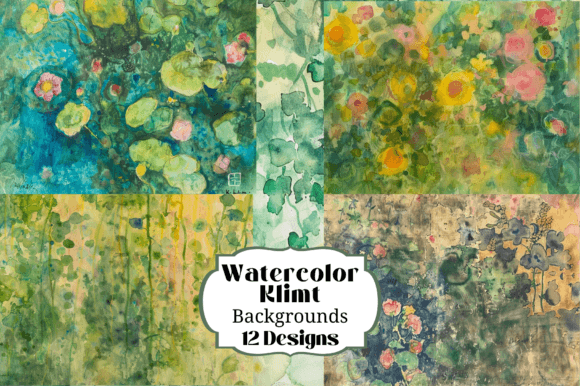
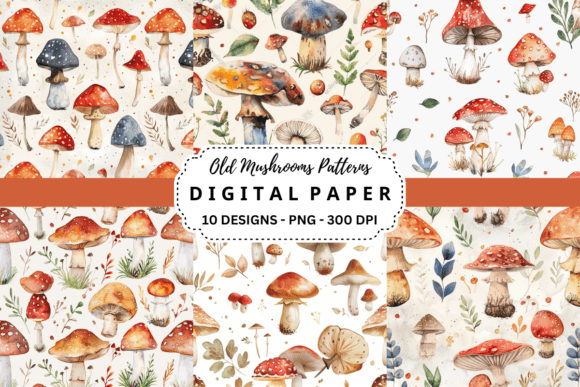
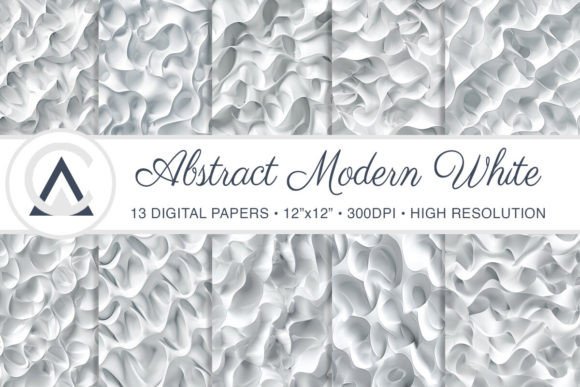
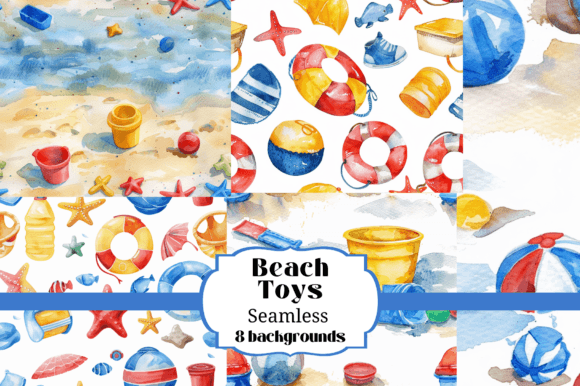
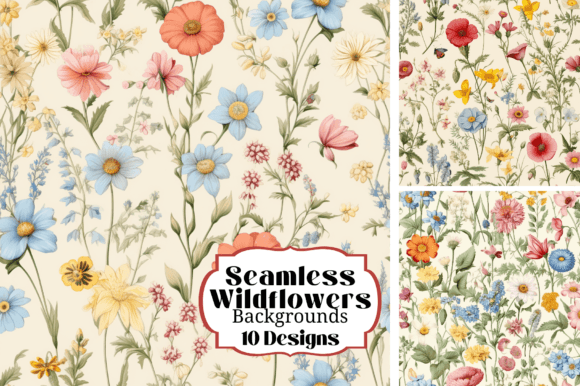
There's a reason wildflower motifs have stayed relevant across design trends for decades. They carry an organic warmth that structured geometric patterns simply can't replicate. The 12 Seamless Wildflower Backgrounds collection captures this appeal through hand-illustrated botanical elements arranged in seamless repeat tiles. Each design features a distinct mix of wildflowers—think daisies, poppies, lavender sprigs, and Queen Anne's lace—rendered with enough detail to feel authentic but stylized enough to work as versatile design assets.
The personality here leans natural and approachable. These aren't sterile corporate florals or overly precious Victorian illustrations. They sit in a sweet spot between contemporary and timeless, which makes them genuinely useful for a range of projects. The color palettes vary across the collection, giving you options from soft pastels to richer, more saturated tones. Because they're delivered as PNG files, you get transparency options and resolution that holds up across both digital and print applications.
Where These Backgrounds Actually Work
Let's talk practical applications, because a beautiful pattern means nothing if it doesn't serve your project. Scrapbooking and junk journaling are obvious fits—the seamless repeat means you can print large sheets without worrying about visible tile edges. But the real versatility shows up when you start thinking beyond traditional paper crafts.
For small business owners building a brand identity, these backgrounds offer something most stock collections don't: genuine personality without looking generic. A boutique bakery could use one of the softer wildflower patterns as packaging tissue paper or shopping bag inserts. A wellness brand might incorporate them into social media graphics for Instagram stories or Pinterest pins. Wedding stationery designers will find immediate value here too—save-the-dates, menu cards, and envelope liners all benefit from botanical backgrounds that feel curated rather than clip-art-ish.
Digital applications matter just as much. Blog headers, website hero sections, email newsletter backgrounds, and digital product mockups can all use these patterns effectively. The key is understanding that seamless backgrounds work best when they support your content rather than compete with it. Pair one of these wildflower designs with a clean sans serif typeface for body text, and you've got a visual hierarchy that feels polished and intentional.
How to Choose the Right Pattern for Your Project
Not every wildflower background will suit every purpose, and that's actually a strength of this collection. Here's how I'd approach selection:
- Consider your audience first. A children's party invitation calls for different energy than a luxury candle label. Look at the density and scale of the floral elements. Tighter, smaller patterns tend to feel more refined. Larger, more spread-out arrangements feel casual and relaxed.
- Think about color interaction. Your text and foreground elements need to read clearly against the background. If you're working with dark typography, lean toward lighter background patterns. This sounds obvious, but it's where many DIY designs fall apart.
- Test at actual size. Since these are high-resolution files, resize them to your intended output dimensions before committing. A pattern that looks charming as a thumbnail might feel overwhelming at poster scale, or too sparse on a business card.
- Evaluate how it pairs with your existing design assets. If your brand already uses a specific color palette, look for patterns that complement rather than clash. You can also overlay a semi-transparent color layer in your design software to shift the background tone without losing the botanical detail.
Working With the Files
The collection arrives as a single zip file containing separate PNG images, each clearly labeled. This matters more than you'd think—when you're juggling multiple projects, clear file naming saves real time. The images are larger than the preview samples suggest, which gives you flexibility for print projects where resolution matters.
A few practical notes for working with these files effectively:
- Software compatibility is broad. PNG files open in virtually every design application—Photoshop, Illustrator, Canva, Procreate, Affinity Designer, even basic tools like Google Slides or PowerPoint. You don't need premium software to use premium design assets.
- Seamless tiling works automatically in most programs. In Photoshop, define the pattern and use the fill tool. In Canva, simply stretch the image to fill your canvas—the repeat edges are designed to disappear.
- Print considerations matter. For physical products like greeting cards or packaging, print a small test section first. Screen colors and print colors rarely match perfectly, and botanical patterns can shift noticeably between digital and offset printing.
- Layering opens creative possibilities. Try placing a solid color shape partially over the background, then adding your text on top. This creates visual depth and gives your typography a clean reading surface while the wildflower pattern frames the composition.
Commercial Use and Project Consistency
For designers and entrepreneurs working on client projects or selling finished products, licensing terms matter. This collection is designed for both personal and commercial use, which means you can incorporate these backgrounds into products you sell—printed stationery, digital downloads, branded merchandise—without separate licensing fees. That's a significant advantage if you're building a product line or offering design services.
Consistency across a brand's visual materials builds recognition. When you find a pattern that aligns with your brand's personality, using it across multiple touchpoints—website, social media, packaging, print collateral—creates a cohesive experience for your audience. These wildflower backgrounds are versatile enough to work across that full range while maintaining a unified aesthetic. That kind of design asset earns its place in your toolkit quickly.