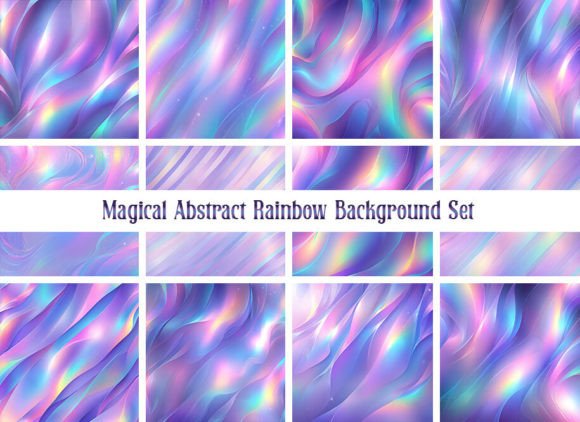
Magical Rainbow Abstract Backgrounds: Elevate Your Designs
There’s a certain energy that a burst of color brings to a project. It’s more than just pigment on a screen; it’s emotion, movement, and attention captured in a single frame. When you’re working on a design that needs to pop—whether it’s a social media campaign, a piece of digital art, or a marketing flyer—finding the right backdrop is half the battle. This is exactly where Magical Rainbow Abstract Backgrounds step in. These aren't just static images; they are dynamic layers of swirling, vibrant hues designed to act as the perfect catalyst for your creative vision. They provide that "something extra" that transforms a flat layout into an immersive experience.
For the modern creative professional, whether you are a graphic designer, a small business owner, or a passionate hobbyist, the utility of a high-quality abstract background cannot be overstated. These specific backgrounds are crafted to be versatile. They bridge the gap between chaotic creativity and structured design. The appeal lies in their ability to suggest motion and depth without overwhelming the foreground content. Think of them as the stage lighting for your main subject; they set the mood, highlight the star of the show, and ensure the audience stays engaged. With a resolution of 3500 x 3500 pixels at 300 DPI, these assets are built for professional standards, ensuring that whether you are printing a large format poster or optimizing for high-definition screens, the integrity of the image remains flawless.
The Visual Language of Chromatic Energy
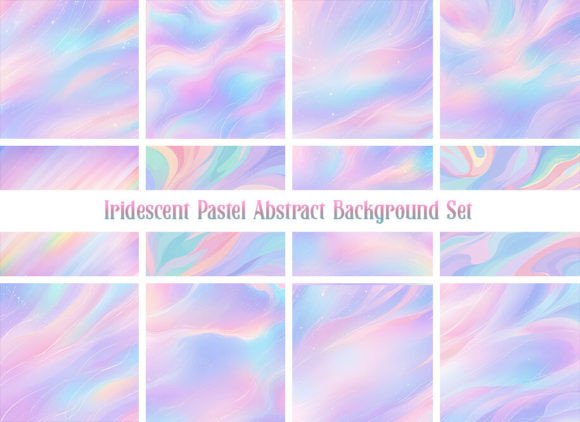
When we talk about the visual characteristics of Magical Rainbow Abstract Backgrounds, we are looking at a distinct personality. These images typically feature fluid gradients, soft transitions between the spectrum, and often a sense of luminosity that mimics light refracting through a prism. Unlike a standard solid color or a subtle texture, these backgrounds have a voice. They speak of innovation, joy, and creativity. However, because they are abstract, they remain neutral enough to support a wide variety of content types. They don’t depict specific objects or scenes, which means they won’t clash with your subject matter. Instead, they offer a wash of color theory in action—balancing warm and cool tones to create a harmonious visual field.
The style leans heavily into modern aesthetics. We are seeing a trend in web design and social media graphics where flat design is giving way to more immersive, 3D-inspired, and gradient-heavy visuals. These backgrounds fit perfectly into that movement. They can soften the hard edges of geometric layouts or add a contemporary twist to classic typography. For a brand identity that wants to appear forward-thinking, energetic, and inclusive (given the full spectrum of colors), utilizing these backgrounds can be a subtle nod to those values. It’s about using visual shorthand to tell your audience, "We are vibrant, we are modern, and we are here to create."
Practical Applications for Every Creator
The real value of these assets lies in their application. As a designer or entrepreneur, you need assets that work as hard as you do. Magical Rainbow Abstract Backgrounds are incredibly adaptable across different mediums. Here is where they truly shine:
- Digital Invitations and Stationery: For event planners or individuals creating digital invites, these backgrounds offer an instant festive or elegant vibe. They remove the need for complex illustration, providing a ready-made canvas that just needs text overlay.
- Photo Editing and Composites: If you are a photographer or retoucher, these PNG files are invaluable. You can use them as overlays or replacement skies to add a surreal, artistic touch to portraits. They are particularly effective in double-exposure effects or as a backdrop for product photography where you want to inject personality.
- Content Creation and Marketing: For bloggers and marketers, the struggle to create "thumb-stopping" content is real. Using a vibrant abstract background behind a quote, a call to action, or a sale announcement ensures that the text is readable against a high-contrast, eye-catching surface. It elevates a simple Instagram post to a piece of graphic design.
- Physical Products: Because the files are high-resolution (300 DPI), they are not limited to the screen. Crafters can use them for sublimation printing on mugs, phone cases, or t-shirts. Publishers can use them for book cover art or interior chapter dividers to add a modern flair to editorial design.
Integrating Abstracts into Your Design Workflow
Using a busy background effectively requires a bit of strategy. You want the background to enhance, not compete. One of the most common challenges with colorful abstracts is maintaining text readability. To solve this, consider applying a slight dark or semi-transparent overlay over the background before placing your white or light-colored text. This technique, often used in web design, ensures the visual hierarchy is preserved. The viewer’s eye should go to the message first, and the background second.
Another practical tip involves color coordination. While these are "rainbow" backgrounds, you don't have to use the whole spectrum at once if it doesn't suit your brand. In tools like Photoshop or Canva, you can selectively mask parts of the background or adjust the hue/saturation to bring forward specific colors that match your existing brand identity. For example, if your brand is blue and orange, you can manipulate the background to emphasize those tones, creating a cohesive look rather than a random splash of color.
When it comes to font pairing, these backgrounds generally pair best with clean, legible typefaces. A bold sans serif font works wonders here, offering a modern contrast to the organic flow of the abstract shapes. If you are going for a more whimsical or artistic vibe, a clean script font can work, but ensure it is a premium font with high legibility so it doesn't get lost in the swirl of colors. Avoid overly decorative or handwritten fonts that might be too difficult to read against a textured backdrop.
Choosing and Evaluating Your Assets
When selecting design assets, quality is non-negotiable. The specification of 3500 x 3500px is a significant detail. This large canvas size gives you creative freedom. You can crop into the image to focus on a specific section of the gradient without losing resolution. This is particularly useful for logo design mockups or creating specific textures for 3D rendering. Always ensure that the assets you download come with a license that matches your intended use. If you are creating commercial products—like selling prints or using them in client work—you need to verify that the license covers commercial use.
Finally, treat these backgrounds as part of a larger toolkit. They are not a magic wand that solves every design problem, but rather a powerful ingredient. Experiment with blending modes like "Screen," "Multiply," or "Overlay" to see how the colors interact with your other elements. Sometimes, the most striking designs come from unexpected combinations. By incorporating Magical Rainbow Abstract Backgrounds into your workflow, you are equipping yourself with a versatile asset that can adapt to the changing demands of digital and print media, ensuring your work always feels current, professional, and visually arresting.