Serene Hues: Elevate Projects with Relaxing Green and Blue Backgrounds
The Visual Language of Tranquility
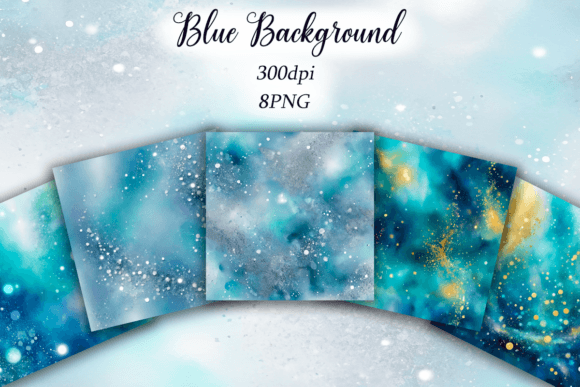
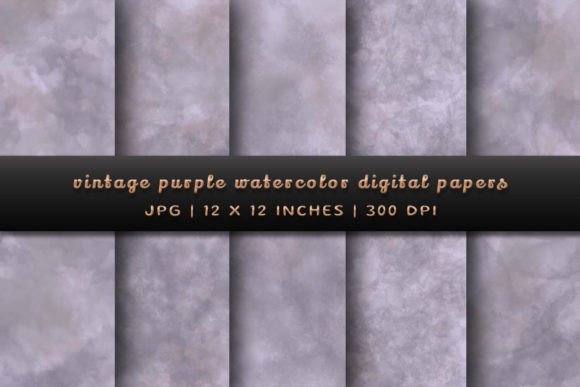
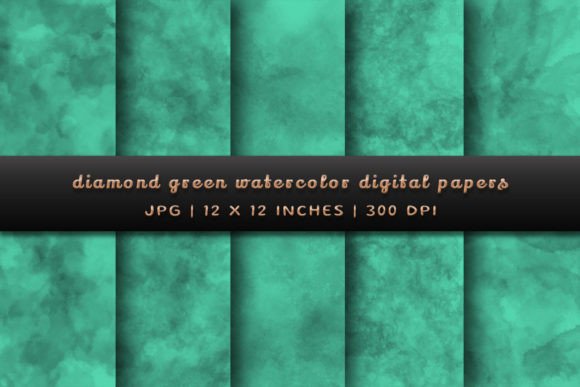
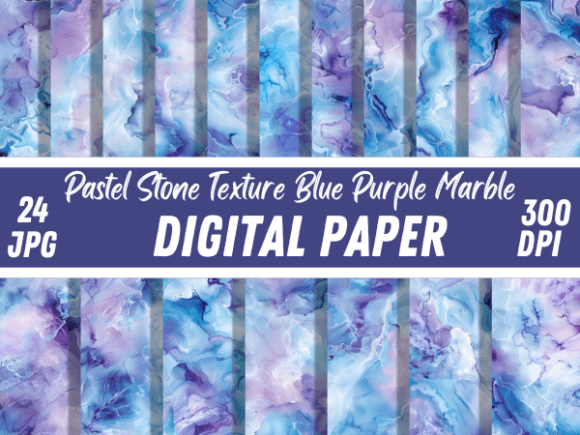
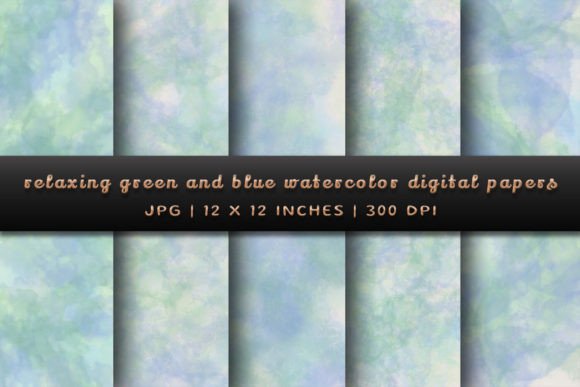
In the realm of design, color is more than just aesthetic; it is a psychological trigger. The combination of green and blue is universally recognized for evoking feelings of calm, trust, and renewal. Our Relaxing Green and Blue Watercolor Digital Papers capture this essence perfectly. These aren't just flat colors; they are rich, textured backgrounds that mimic the fluidity and organic depth of real watercolor paint. The visual personality of this collection is soft, organic, and sophisticated. You will notice subtle gradients where emerald greens bleed into soft teals or where cerulean blues blend with seafoam. This artistic texture adds a layer of tactile realism to digital projects, making them feel handcrafted and premium.
The appeal of these backgrounds lies in their versatility. They act as a neutral canvas that still commands attention. Whether you are working on a corporate wellness brand or a personal wedding invitation, the soothing shades provide a backdrop that radiates tranquility without being boring. The high-quality JPG files ensure that even when printed at 12x12 inches and 300 DPI, the brushstrokes remain distinct and the color gradients smooth. This level of detail is crucial for sublimation printing, where ink saturation and image resolution define the final product's quality.
Transforming Brand Identity and Editorial Design
For entrepreneurs and brand strategists, the choice of design assets directly influences brand perception. Using Relaxing Green and Blue Backgrounds can position a brand as reliable, calming, and connected to nature. This is particularly effective for industries such as health and wellness, eco-friendly products, financial consulting, or mental health services. By integrating these watercolor textures into your brand identity, you move away from sterile corporate aesthetics and toward a more human-centric visual language.
In editorial design and publishing, these backgrounds solve the common problem of "flat" layouts. Magazine covers, e-book pages, and blog headers often suffer from a lack of depth. By layering text over these textured papers, you create an immediate visual hierarchy. The organic irregularities of the watercolor naturally draw the eye, allowing you to place key headlines in the "quiet" areas of the texture to ensure maximum readability. This is a practical application of modern typography principles where the background supports, rather than competes with, the foreground content.
Practical Applications: From Sublimation to Social Media
The utility of these digital papers extends far beyond simple backgrounds. Because they are formatted at 12x12 inches and 300 DPI, they are industry-standard for scrapbooking and card making. However, creative professionals can repurpose them in numerous ways:
- Sublimation and Merchandise: These files are optimized for sublimation, making them ideal for printing on mugs, coasters, tote bags, and phone cases. The seamless texture ensures that the final product looks professional.
- Digital Marketing Assets: Use them as the foundation for social media graphics. A calming blue-green background makes text overlays pop, particularly when using white or dark charcoal typography.
- Website Design: While full-page background images can slow down load times, using these textures in specific sections—such as hero banners or footer areas—adds personality to web design without sacrificing performance.
- Packaging Design: For small business owners creating product labels or tissue paper designs, these textures provide a high-end finish that elevates unboxing experiences.
Typography and Pairing Strategies
A background is only as good as the typography placed upon it. When working with the organic shapes of watercolor, your font pairing strategy needs to focus on contrast and legibility. Because the background is soft and flowing, you generally want to pair it with typefaces that offer structure.
A sans serif font with clean lines often works best for body text, ensuring readability against the textured background. For headlines, a bold serif font can add a touch of classic elegance, or a display font can be used sparingly for artistic flair. Avoid overly intricate script fonts or handwritten fonts for long paragraphs, as the watercolor texture can make small, swirly letters difficult to decipher. Instead, reserve creative fonts for large, bold headers where the letterforms can stand distinct from the artistic brushstrokes behind them.
When evaluating project fit, consider the "visual weight" of the background. If the watercolor wash is particularly dark or saturated, use white text or a semi-transparent overlay to ensure the text remains the focal point. This approach maintains the professionalism of the design while leveraging the emotional impact of the green and blue palette.
Maximizing Your Design Assets
Once you download the ZIP file, you will find five distinct variations of these relaxing backgrounds. It is practical advice to test all five variations on a single project before finalizing your choice. Sometimes, a slightly lighter wash works better for text-heavy designs, while a deeper, more textured version might be perfect for a poster where imagery is the focus.
Remember that these are premium font companions—high-resolution assets meant to be scaled and cropped. Do not feel constrained by the 12x12 square format. You can easily crop these backgrounds to fit A4 documents, Instagram stories, or wide web banners. The 300 DPI resolution gives you the flexibility to zoom in on specific areas of the watercolor texture to create unique focal points for your packaging design or logo design backgrounds.
Ultimately, incorporating Relaxing Green and Blue Backgrounds into your toolkit is about adding a layer of emotional resonance to your work. Whether you are a crafter making a scrapbook page or a marketer designing a digital ad campaign, these backgrounds provide a foundation of calm professionalism that resonates with audiences across all demographics.