Unleashing Magic: Iridescent Unicorn Texture Backgrounds
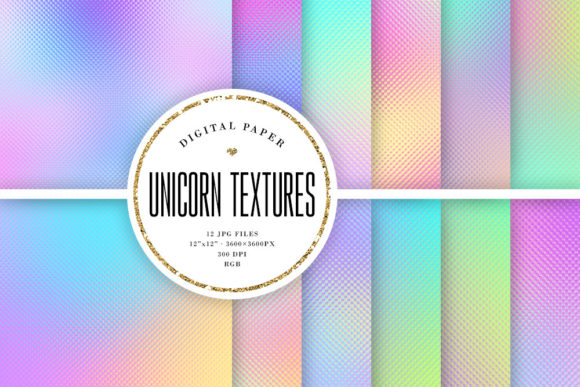
There is a specific type of visual content that stops a user mid-scroll. It isn't just about color; it is about light, dimension, and a sense of tactile reality in a digital space. This is the core appeal of the Iridescent Unicorn Texture Backgrounds. When you receive your package of 12 JPG files, you aren't just getting static images. You are acquiring high-resolution design assets that mimic the shifting, shimmering quality of iridescent surfaces. With pixel dimensions of 3600x3600 and a print-ready 300 DPI resolution, these files are built for versatility, ranging from high-definition screens to crisp physical prints.
The Visual Anatomy of an Iridescent Texture
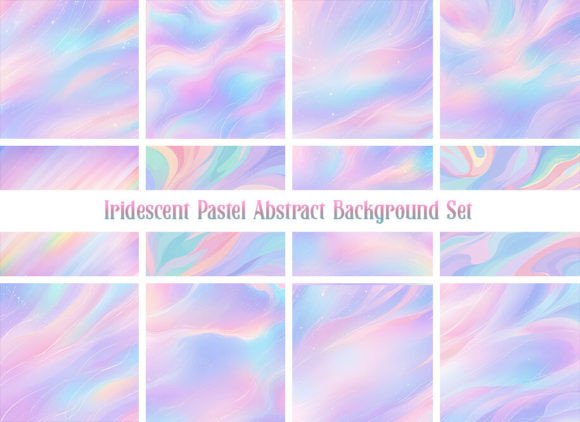
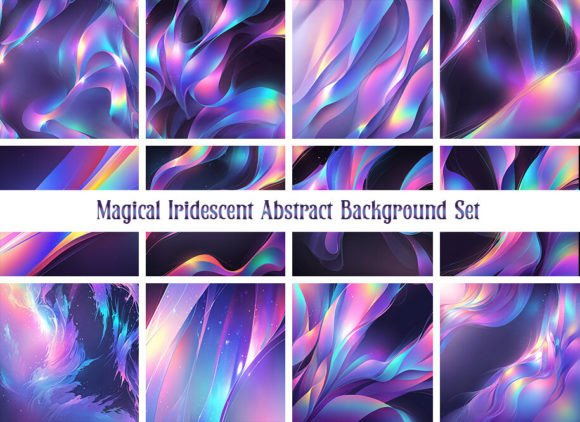
Understanding the visual weight of these backgrounds is the first step in using them effectively. The "unicorn" aesthetic is defined by a spectrum of pastel colors—typically pinks, purples, blues, and greens—that blend seamlessly into one another. However, the defining characteristic here is the texture. These are not flat gradients. The "iridescent" quality implies a pearlescent finish, where light seems to catch and reflect off a surface, creating depth and a metallic sheen.
For a designer or content creator, this texture does two things immediately. First, it establishes a mood that is ethereal, modern, and undeniably premium. It signals to the viewer that the content presented is high-quality and curated. Second, it provides a complex backdrop that can anchor simpler design elements. If you are working with a clean sans serif font for a logo or headline, the complexity of the iridescent background provides a stunning contrast, making the text pop without the need for heavy outlines or drop shadows.
Strategic Applications for Modern Brands
While the aesthetic leans toward the whimsical, the application of Iridescent Unicorn Texture Backgrounds is highly strategic. We are currently seeing a significant trend in brand identity moving toward fluidity and softness, particularly in the wellness, beauty, and lifestyle sectors. These textures serve as a powerful tool for web design and social media graphics, where visual engagement is the primary metric of success.
- Social Media Marketing: Use these textures as a base for Instagram stories or quote cards. The eye is naturally drawn to iridescent light, which can significantly increase dwell time on a post. When paired with a bold display font, the result is thumb-stopping content.
- Packaging Design: For small business owners in the cosmetics or stationery industry, these textures translate beautifully to packaging design. Imagine a matte box with a spot UV gloss finish over an iridescent pattern—it elevates the product from a commodity to a gift.
- Editorial Design: In editorial design, such as magazine covers or e-book layouts, the texture can serve as a unifying element. It adds a layer of sophistication that a plain white or black background cannot achieve.
Technical Precision: Why Specifications Matter
It is easy to overlook the technical specifications of design assets, but for professionals, these numbers dictate usability. The Iridescent Unicorn Texture Backgrounds come in a color mode of RGB. This is the standard for digital displays, ensuring that the colors remain vibrant and true-to-life on monitors, tablets, and smartphones. If you plan to use these for strictly print-based projects, such as flyers or posters, remember that you may need to convert the color profile to CMYK to manage ink saturation, though the RGB source provides the widest gamut to start with.
The print dimensions of 12" x 12" at 300 DPI make these files particularly valuable for scrapbookers, card makers, and crafters. This square format is the industry standard for many paper crafting projects. Furthermore, the 3600x3600 pixel count ensures that even if you crop into the image to focus on a specific area of the texture, you will still maintain high resolution. This is a premium font level of quality applied to graphic assets—there is no pixelation, no compression artifacts, just clean, smooth gradients.
Integrating Textures with Typography
A common challenge when using busy or colorful backgrounds is maintaining readability. This is where your choice of typeface becomes critical. When overlaying text on Iridescent Unicorn Texture Backgrounds, you are dealing with varying values of light and dark. A thin, wispy script font or a delicate handwritten font might get lost in the shimmer.
Instead, consider the following typographic strategies:
- High Contrast Pairing: Use a heavy, geometric serif font or a thick sans serif font. The weight of the letters will hold their own against the visual complexity of the iridescence.
- The Knockout Effect: Use the texture as a fill for your text. This works exceptionally well for large headlines in logo design. By clipping the texture to the text shape, you create a cohesive look where the type and background feel like one unified element.
- Legibility Barriers: If you need to place a large block of body copy over the background, do not place it directly on the texture. Use a semi-transparent overlay (like a frosted glass effect) or a solid color block behind the text. This maintains the aesthetic of the background while ensuring the message is readable.
Evaluating Fit and Commercial Licensing
Before incorporating any asset into a client project or a commercial product, you must evaluate the fit and the license. These backgrounds are versatile design assets, but they have a strong personality. They fit naturally within industries like beauty, fantasy, children's products, and modern tech startups looking for a "soft" future aesthetic. They may not be the right fit for a corporate law firm or a heavy industrial manufacturer, where more subdued textures are expected.
When testing font pairings, print out a sample or view it on a high-quality screen. Does the modern typography you chose clash with the organic flow of the texture? Does the iridescence distract from the message? Sometimes, the best use of a texture is as a subtle accent—perhaps a sidebar or a footer—rather than a full-bleed background.
Finally, regarding usage: while the prompt does not specify the license details of these specific 12 JPG files, commercial font and asset usage always requires due diligence. Ensure that the license covers your intended use, whether it is for physical products (print-on-demand), digital templates for resale, or client work. Respecting the intellectual property of the asset creator ensures the sustainability of the creative ecosystem.
In conclusion, Iridescent Unicorn Texture Backgrounds are more than just pretty pictures. They are high-fidelity tools for visual storytelling. By leveraging their technical strengths—high resolution, RGB color mode, and large print dimensions—and pairing them with intentional typography, you can create work that feels polished, professional, and magically engaging. Whether you are a crafter designing a scrapbook page or a marketer building a landing page, these textures provide a solid foundation for creativity.