Unlocking Timeless Elegance with Vintage Rose Journal Pages
In the realm of design, the tactile sensation of history often communicates more effectively than modern minimalism. When we look at Vintage Rose Journal Pages Backgrounds, we aren't just seeing a pattern of flowers; we are accessing a specific emotional resonance that bridges the gap between nostalgia and professional branding. These backgrounds offer a distinct aesthetic that serves as a foundational design asset for anyone looking to infuse their work with warmth, romance, and an established sense of heritage. Whether you are a seasoned graphic designer managing a rebrand or a hobbyist starting a new scrapbook, understanding how to leverage this specific style is crucial for creating impactful visual narratives.
The Anatomy of a Vintage Aesthetic
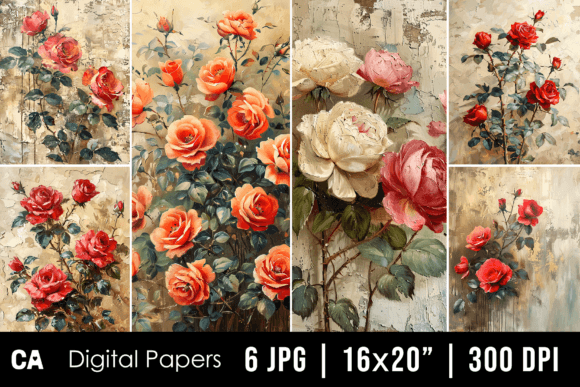
What sets these backgrounds apart from generic floral stock images is their commitment to a specific "lived-in" texture. The visual characteristics of Vintage Rose Journal Pages Backgrounds typically include muted color palettes—think dusty pinks, sage greens, and creamy ivies—rather than the neon-bright hues of modern digital art. There is often a layer of subtle grain or paper texture embedded into the design, mimicking the look of aged parchment or distressed card stock. This visual "noise" is actually a strength; it provides immediate depth and prevents the design from looking flat or sterile.
The personality of this style is inherently romantic and organic. It avoids the rigid geometry of modern sans serif trends in favor of flowing, natural lines found in rose petals and foliage. This style speaks to a demographic that values authenticity and craftsmanship. In a market saturated with sleek, cold, tech-driven visuals, the warmth of a vintage rose pattern acts as a visual anchor, drawing the eye and inviting the viewer to slow down. It is a premium font for the background world—distinct, high-resolution, and ready to support heavy typography without losing its own character.
Strategic Applications for Business and Branding
For entrepreneurs and brand strategists, the utility of Vintage Rose Journal Pages Backgrounds extends far beyond simple decoration. In brand identity, consistency is key, and these backgrounds offer a cohesive visual language for brands that position themselves as artisanal, boutique, or luxury. If you are developing a logo design for a wedding planner, a high-end bakery, or a boutique skincare line, using a vintage rose texture as a secondary brand element can significantly elevate the perceived value of the product.
Consider the application in packaging design. A product wrapped in a high-resolution vintage rose pattern immediately signals quality and care. It transforms a standard box into a gift-worthy item before it is even opened. Similarly, in editorial design, such as magazine layouts or lookbooks, these backgrounds provide a sophisticated canvas that complements serif typography beautifully. The organic nature of the roses balances the structured lines of columns and text blocks, creating a harmonious reading experience.
Furthermore, the versatility of these assets shines in digital spaces. Social media graphics often suffer from a lack of depth. By utilizing these backgrounds, content creators can break the monotony of flat colors. An Instagram story or a Pinterest pin featuring a distressed rose background creates a tactile illusion that encourages engagement. It suggests that the content behind the image is substantial and worth reading. For web design, while full-page backgrounds might be heavy, using these images for hero sections or sidebar accents can add a layer of elegance to a blog or e-commerce site, particularly when paired with a clean sans serif font for contrast.
Creative Crafting: From Digital to Physical
The transition from digital file to physical product is where the 300 DPI resolution truly proves its worth. For the crafting community—specifically those involved in junk journaling, scrapbooking, and card making—pixel density determines print quality. A file size of 4800x6000 pixels ensures that even when printed on large 18x20 inch paper, the image remains crisp. This is vital for print design where blurry edges or pixelated flowers can ruin the handmade aesthetic.
In invitation design, the vintage rose aesthetic is a perennial favorite. It provides a romantic backdrop for wedding stationery, bridal showers, and tea parties. The key to successful invitation design is hierarchy; the background must support the text, not compete with it. These backgrounds are designed with enough visual variation to frame the details of the event without overwhelming the typography. When you pair a bold display font for the names with a delicate script font for the details, the vintage rose texture ties the elements together into a cohesive unit.
For scrapbookers, these pages serve as a ready-made foundation for memory keeping. They provide a thematic context that can unify disparate photos. A page of family photos from a garden party sits perfectly atop a rose-patterned background. Moreover, the "Instant Download" nature of these assets allows for immediate gratification and workflow efficiency. You can download, print, and begin crafting within minutes, which is a significant advantage for professionals working on tight deadlines.
Technical Considerations and Workflow Integration
Integrating Vintage Rose Journal Pages Backgrounds into a professional workflow requires an understanding of file management and color theory. As noted, colors may vary slightly between devices. This is a standard occurrence due to different monitor calibrations and color profiles (RGB vs. CMYK). Designers should always run a test print before committing to a large batch of printing to ensure the dusty pinks and sage greens translate correctly from screen to paper.
When using these backgrounds in software like Adobe Photoshop or Illustrator, or even Canva, it is helpful to treat them as a base layer. You can apply overlays, blend modes, or slight color corrections to match the specific brand identity you are building. For example, applying a "Multiply" blend mode can help integrate white text seamlessly into the texture, making it look as if the text was printed directly onto the aged paper.
The file format provided is JPG, which is universally compatible with all design software and printing services. This eliminates the technical barriers that sometimes accompany proprietary file formats. It ensures that whether you are a beginner using a home printer or a professional sending files to a commercial press, the asset behaves predictably.
Maximizing Visual Hierarchy and Readability
The ultimate test of a background is how well it supports the foreground content. Visual hierarchy is the arrangement of elements to show their order of importance. With Vintage Rose Journal Pages Backgrounds, the softness of the imagery allows for strong foreground elements to pop. If you are designing a flyer or a social media post, you might place a solid, semi-transparent shape (like a white rectangle with low opacity) over the center of the rose background. This creates a "safe zone" for your text, ensuring maximum readability while still allowing the vintage aesthetic to frame the message.
When selecting fonts to pair with these backgrounds, contrast is your best friend. A heavy, bold modern typography style can stand up to the intricate details of the roses. Alternatively, a classic serif font can enhance the vintage feel, creating a monochromatic aesthetic that feels like a page out of a history book. Avoid using overly decorative handwritten fonts that might get lost in the floral details; legibility should always remain the priority.
Ultimately, these backgrounds are more than just digital paper; they are a strategic tool for visual communication. They offer a bridge between the digital and the analog, providing a sense of warmth and authenticity that resonates deeply with audiences across various niches. Whether used for a commercial packaging project or a personal memory book, they provide a reliable, high-quality foundation for creative expression.